

🤖 AI Technology in the Future: Transforming the Way We Live and Work
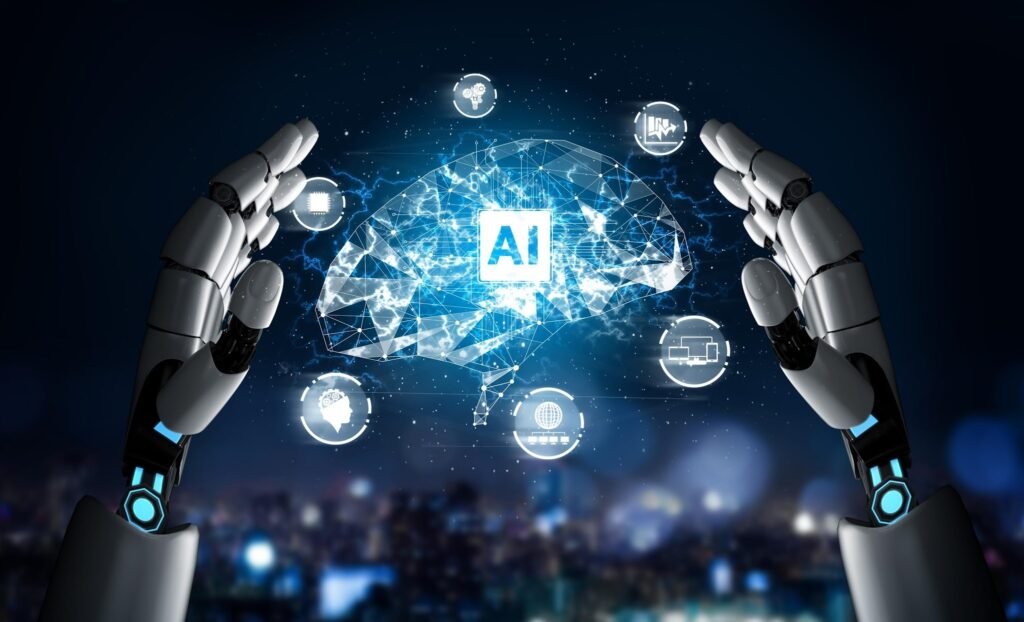
Artificial Intelligence (AI) is no longer a concept from science fiction—it is becoming a powerful force that is reshaping industries, businesses, and everyday life. From smart assistants and automated customer service to advanced healthcare solutions and self-driving vehicles, AI is rapidly changing how we interact with technology. As we move further into the future, AI is expected to become even more intelligent, efficient, and integrated into our daily routines.
🚀 What Is Artificial Intelligence?
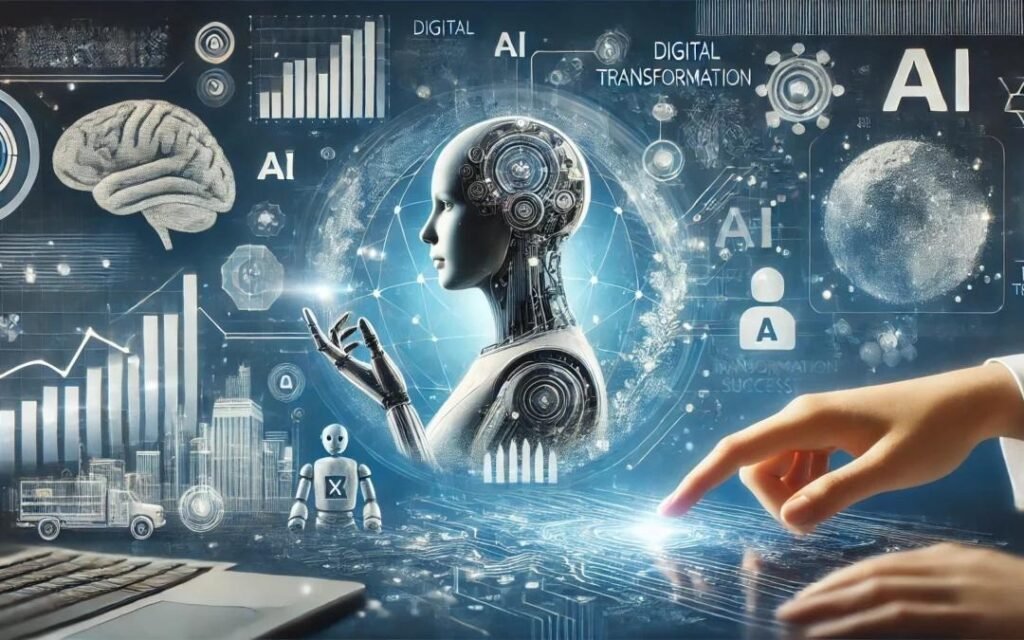
Artificial Intelligence refers to computer systems that can perform tasks that normally require human intelligence, such as learning, problem-solving, decision-making, language understanding, and pattern recognition. Modern AI systems use machine learning and deep learning algorithms to analyze large amounts of data and improve their performance over time.
Key Features of AI
- ✔ Machine Learning
- ✔ Natural Language Processing (NLP)
- ✔ Predictive Analytics
- ✔ Computer Vision
- ✔ Automation and Robotics
- ✔ Real-Time Decision Making
🌍 How AI Will Shape the Future
1. Smarter Healthcare
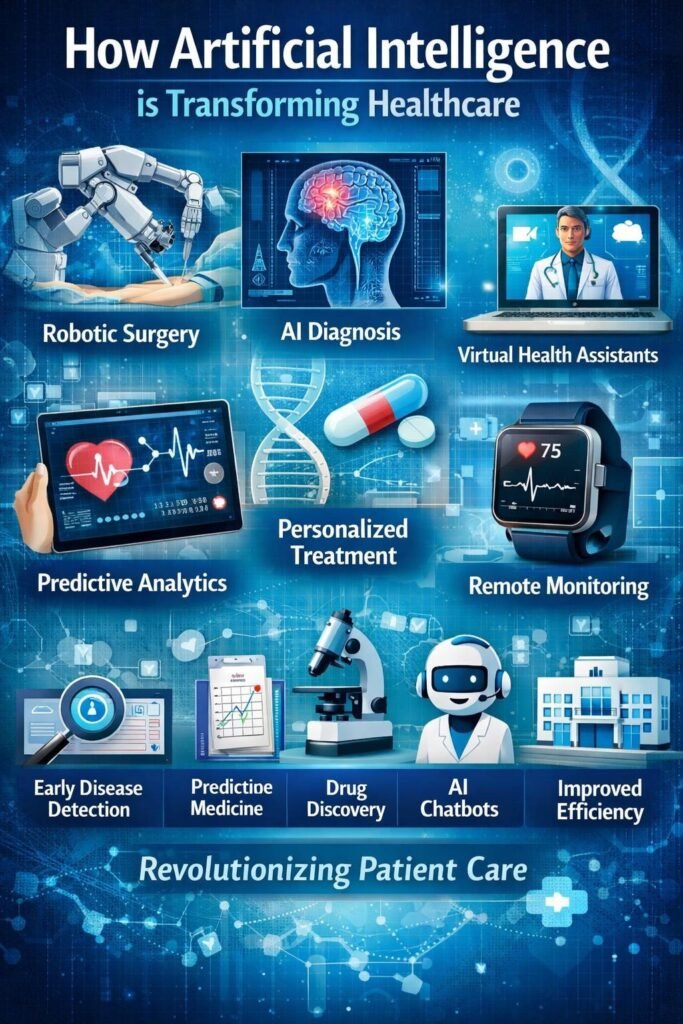
AI will help doctors diagnose diseases faster, develop personalized treatments, and improve patient care. Advanced AI systems may predict health risks before symptoms appear, leading to better preventive healthcare.
2. Intelligent Education
Future classrooms will use AI-powered learning platforms that adapt to each student’s learning style and pace. Personalized education can improve understanding and academic performance.
3. Automated Businesses
Companies will increasingly rely on AI to automate repetitive tasks, analyze customer behavior, and improve productivity. This will allow employees to focus on creativity and strategic decision-making.
4. Smart Cities
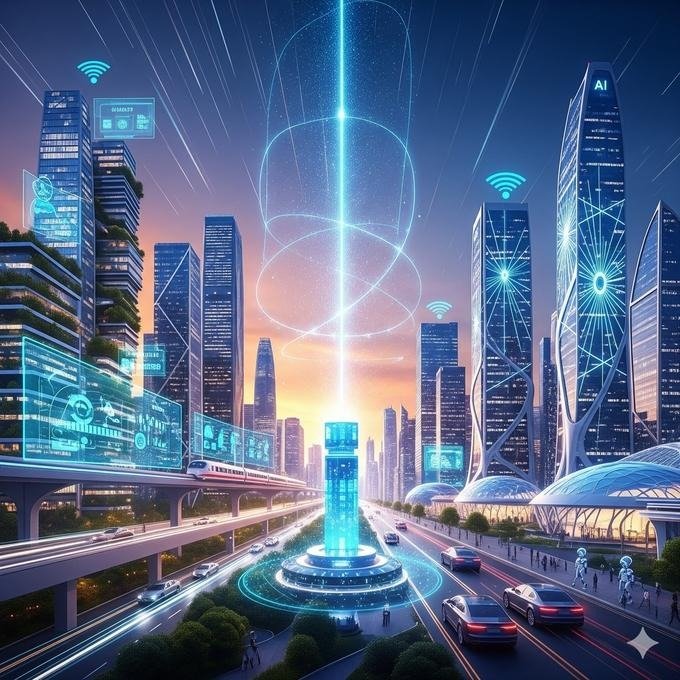
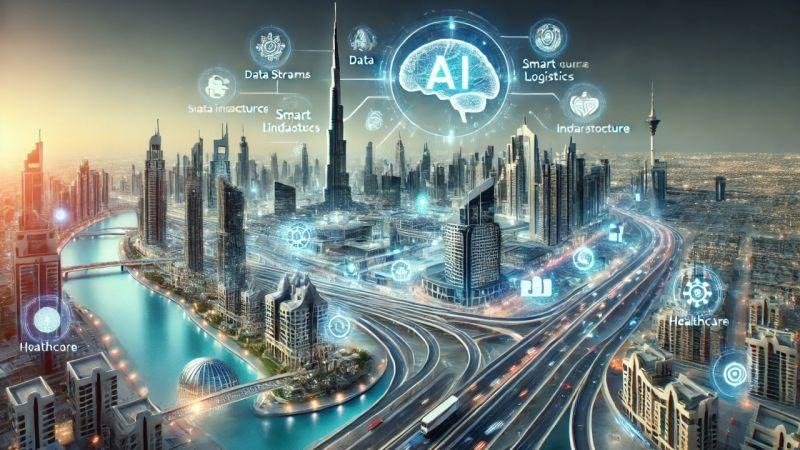
AI will play a major role in managing traffic systems, reducing energy consumption, improving public safety, and creating more sustainable urban environments.
5. Advanced Robotics

Future robots will work alongside humans in manufacturing, healthcare, logistics, and household environments. They will perform complex tasks with greater accuracy and efficiency.
6. Enhanced Cybersecurity
AI-powered security systems will detect threats in real time, helping organizations protect sensitive information and reduce cyber risks.
📈 Benefits of Future AI Technology
- ✔ Increased productivity and efficiency
- ✔ Faster decision-making through data analysis
- ✔ Improved healthcare outcomes
- ✔ Personalized customer experiences
- ✔ Smarter transportation systems
- ✔ Better educational opportunities
- ✔ Enhanced business growth and innovation
⚠ Challenges and Considerations
While AI offers many advantages, responsible development is essential. Key challenges include:
- ✔ Data privacy and security concerns
- ✔ Ethical use of AI systems
- ✔ Workforce adaptation and reskilling
- ✔ Transparency in AI decision-making
- ✔ Prevention of misinformation
Governments, businesses, and technology leaders must work together to ensure AI is developed safely and responsibly.
🔮 The Future of AI
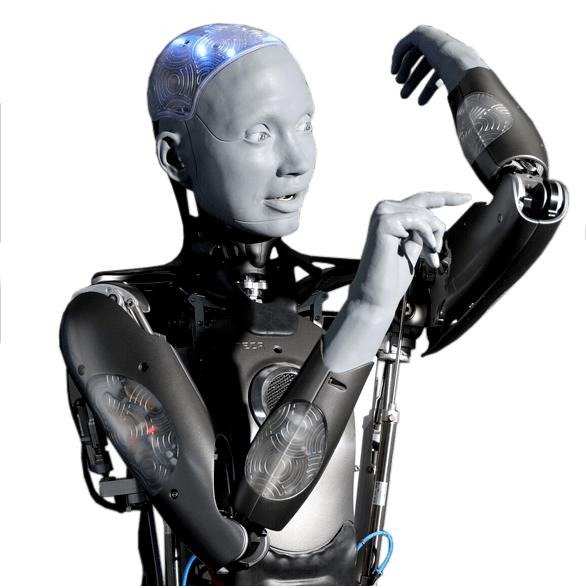
In the coming decades, AI is expected to become a trusted partner in nearly every aspect of life. From smart homes and intelligent transportation to personalized healthcare and advanced scientific discoveries, AI will help solve complex problems and create new opportunities for innovation. Rather than replacing humans, the most successful future will likely involve collaboration between human creativity and AI-powered intelligence.
✨ Conclusion
Artificial Intelligence is shaping the future at an unprecedented pace. As technology continues to evolve, AI will transform industries, improve quality of life, and drive innovation across the globe. Organizations and individuals who embrace AI responsibly will be better prepared for the opportunities and challenges of the digital future.
Author: Zeenath Shaikh