
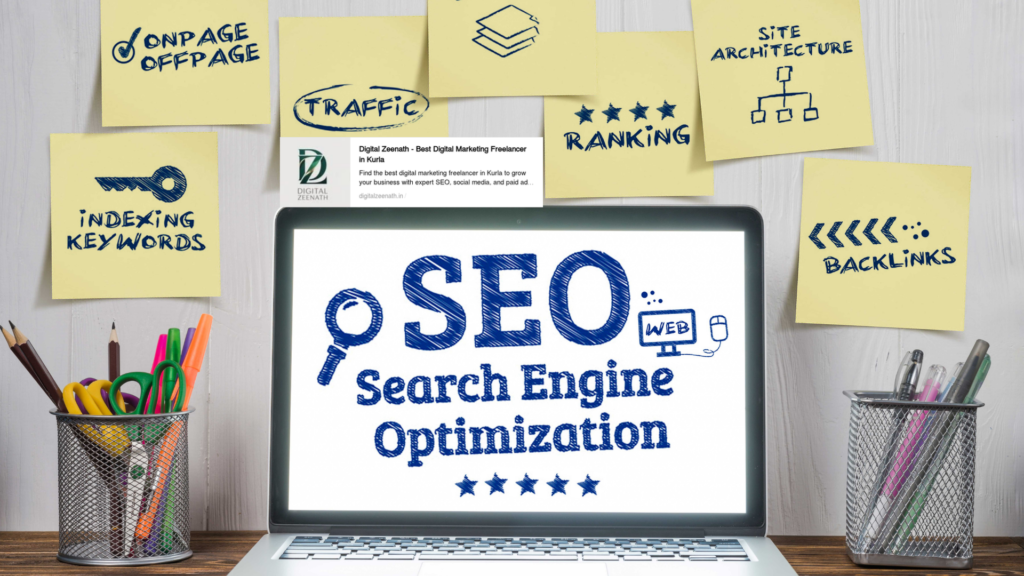
🚀 Full SEO Setup for Business: A Complete Guide to Growing Your Online Presence
SEO is no longer optional for businesses that want to grow online. A properly planned SEO strategy can help your website appear in relevant Google searches, attract potential customers, build credibility, and generate organic traffic without depending entirely on paid advertising.
A full SEO setup for business combines several important areas, including On-Page SEO, Technical SEO, Off-Page SEO, Local SEO, keyword research, content optimization, backlinks, Google Business Profile optimization, and continuous performance tracking.
Whether you run a small local business, startup, service company, e-commerce store, or professional practice, a complete SEO strategy can create a strong foundation for long-term online visibility.
📌 What Is a Full SEO Setup for Business?
A full SEO setup is a complete process of optimizing your website and online presence so that search engines can understand your business and users can easily find your products or services.
A professional SEO setup generally includes:
➜ Keyword Research
➜ Website SEO Audit
➜ On-Page SEO
➜ Technical SEO
➜ Off-Page SEO
➜ Local SEO
➜ Google Business Profile Optimization
➜ Backlink Building
➜ Content Optimization
➜ Search Console & Analytics Setup
➜ SEO Monitoring & Reporting
Think of SEO as a long-term digital marketing system rather than a one-time task.
🎯 Benefits of SEO for Business
A properly implemented SEO strategy can provide several benefits for businesses.
◆ 1. Increase Organic Traffic
SEO helps your website appear for relevant searches on Google and other search engines. Higher visibility can bring more visitors who are actively searching for your products or services.
◆ 2. Generate Quality Leads
When your website ranks for keywords related to your services, the visitors coming from those searches can have stronger purchase intent.
◆ 3. Improve Online Visibility
SEO helps customers discover your business when they search for relevant products, services, questions, or local businesses.
◆ 4. Build Brand Credibility
A professional website that consistently appears in relevant search results can help establish a stronger online presence.
◆ 5. Support Long-Term Growth
Unlike short-term campaigns, SEO can continue generating organic visibility when your website and content are consistently maintained and improved.
◆ 6. Improve User Experience
Technical and on-page SEO often involves improving website speed, navigation, mobile usability, content structure, and accessibility.
◆ 7. Support Local Customers
Local SEO helps businesses become more visible to people searching for services in specific locations.
🔍 1. Keyword Research – The Foundation of SEO
Before optimizing a website, you need to understand what your potential customers are searching for.
For example, a digital marketing business could target keywords such as:
◆ digital marketing services
◆ SEO services
◆ SEO expert in Mumbai
◆ digital marketing freelancer in Mumbai
◆ local SEO services
◆ Google Ads management
◆ Meta Ads services
A professional keyword strategy should consider:
- Search intent
- Keyword relevance
- Competition
- Search volume
- Location
- Business goals
- Commercial intent
The goal isn’t simply to target high-volume keywords. The keywords should also be relevant to your business and capable of attracting the right audience.
📄 2. On-Page SEO
On-Page SEO focuses on optimizing the content and elements that exist on your website.
Important On-Page SEO Elements
◆ SEO Title
Create unique and descriptive titles that clearly explain the page topic.
◆ Meta Description
Write an attractive description that summarizes the page and encourages users to visit.
◆ Headings
Use a logical structure such as:
H1 → H2 → H3
This makes the content easier for both users and search engines to understand.
◆ Keyword Optimization
Use relevant keywords naturally throughout your content without excessive repetition.
◆ URL Optimization
Keep URLs short, descriptive, and relevant to the page.
◆ Image Optimization
Optimize images using:
- Descriptive file names
- Relevant alt text
- Appropriate image dimensions
- Modern image formats where suitable
- Compression
◆ Internal Linking
Connect related pages across your website to help users navigate your content and help search engines discover related pages.
⚙️ 3. Technical SEO
Technical SEO focuses on the technical foundation of your website.
A technically optimized website makes it easier for search engines to crawl, understand, and index your pages.
Technical SEO Checklist
◆ Google Search Console setup
◆ XML sitemap
◆ Robots.txt
◆ HTTPS/security
◆ Mobile-friendly design
◆ Website speed optimization
◆ Core Web Vitals monitoring
◆ Canonical URLs
◆ Broken-link identification
◆ Redirect management
◆ Crawlability
◆ Indexability
◆ Structured data/schema where appropriate
Technical SEO is particularly important for larger websites because technical problems can prevent important pages from being properly discovered or indexed.
🌐 4. Off-Page SEO
Off-Page SEO focuses on activities performed outside your website that can contribute to your website’s authority, reputation, and visibility.
Common off-page activities include:
◆ Link Building
Obtaining relevant backlinks from other websites.
◆ Digital PR
Building online visibility through legitimate publications, industry websites, and media coverage.
◆ Business Citations
Maintaining consistent business information across relevant directories and platforms.
◆ Brand Mentions
Increasing awareness and mentions of your business across relevant online channels.
◆ Industry Relationships
Building relationships with relevant websites, organizations, and businesses.
The focus should be on quality, relevance, and credibility, rather than simply collecting a large number of links.
📍 5. Local SEO
If your business serves customers in a specific city, area, or region, Local SEO can be an important part of your SEO strategy.
For example:
“Digital Marketing Freelancer in Mumbai”
is a location-focused search, while:
“SEO services”
is a broader search.
Local SEO Setup Includes:
◆ Google Business Profile optimization
◆ Accurate business name, address and phone information
◆ Relevant business categories
◆ Business description optimization
◆ Service/product information
◆ Location-specific website pages
◆ Local keyword research
◆ Customer reviews
◆ Local citations
◆ Location-relevant content
For service-area businesses, local SEO can help potential customers discover the business when they search for relevant services nearby.
🔗 6. Backlinks – Building Website Authority
A backlink is a link from another website to your website.
For example:
Website A → links to → Your Website
Search engines can use links as signals when evaluating pages, although the value of a backlink depends on factors such as its relevance, context, and the linking site’s quality.
What Makes a Good Backlink?
◆ Relevant website
◆ Trusted source
◆ Natural placement
◆ Relevant surrounding content
◆ Editorially earned where possible
◆ Useful to the reader
Avoid focusing only on the number of backlinks.
10 relevant, high-quality links can be more meaningful than hundreds of low-quality or irrelevant links.
📝 7. SEO Content Strategy
SEO and content work together.
Create content that answers the questions your potential customers are actually searching for.
For example, a digital marketing business could publish:
◆ What Is SEO and How Does It Work?
◆ SEO vs Google Ads: What’s the Difference?
◆ How Local SEO Helps Small Businesses
◆ How to Improve Google Business Profile Visibility
◆ Common SEO Mistakes Businesses Should Avoid
◆ How Much Does SEO Cost?
◆ SEO Checklist for Small Businesses
A strong content strategy can help your website target different stages of the customer journey.
📊 8. SEO Tracking & Measurement
SEO should be measured regularly.
Important metrics include:
◆ Organic clicks
◆ Organic impressions
◆ Search rankings
◆ Organic traffic
◆ Indexed pages
◆ Click-through rate (CTR)
◆ Conversions/leads
◆ Engagement metrics
◆ Backlink growth
◆ Local visibility
Tools such as Google Search Console and Google Analytics can help businesses monitor website performance and understand how users reach and interact with their website.
🚀 Full SEO Setup Checklist
Use this graphic-style checklist for your website or blog:
━━━━━━━━━━━━━━━━━━━━
🔹 SEO FOUNDATION
✓ Keyword Research
✓ Competitor Research
✓ SEO Audit
✓ Search Intent Analysis
🔹 ON-PAGE SEO
✓ SEO Titles
✓ Meta Descriptions
✓ H1/H2/H3 Structure
✓ Keyword Optimization
✓ Image Alt Text
✓ Internal Links
✓ SEO-Friendly URLs
🔹 TECHNICAL SEO
✓ Sitemap
✓ Robots.txt
✓ HTTPS
✓ Mobile Optimization
✓ Website Speed
✓ Core Web Vitals
✓ Canonical Tags
✓ Indexability
🔹 OFF-PAGE SEO
✓ Quality Backlinks
✓ Digital PR
✓ Brand Mentions
✓ Relevant Citations
✓ Industry Links
🔹 LOCAL SEO
✓ Google Business Profile
✓ Local Keywords
✓ Reviews
✓ NAP Consistency
✓ Local Citations
✓ Location Pages
🔹 CONTENT SEO
✓ Helpful Blog Content
✓ FAQs
✓ Topic Clusters
✓ Search Intent
✓ Content Updates
━━━━━━━━━━━━━━━━━━━━
💡 Why Businesses Need a Complete SEO Strategy
Doing only one part of SEO may not be enough.
For example, excellent content may not perform as expected if your website has serious technical problems. Similarly, a technically healthy website may struggle to attract relevant traffic if it doesn’t target the right keywords or provide useful content.
That’s why a complete SEO strategy combines:
Keywords + Content + Technical SEO + On-Page SEO + Local SEO + Off-Page SEO + Backlinks + Measurement
Together, these components create a stronger foundation for sustainable organic search visibility.
🏆 Final Thoughts
A full SEO setup for business is a combination of technical optimization, valuable content, keyword targeting, website improvements, local visibility, and authority-building activities.
SEO is not about trying to manipulate search engines. The objective is to make your website useful, accessible, understandable, technically healthy, and relevant to the searches of your target customers.
For businesses looking to increase organic visibility, generate relevant leads, and build a stronger digital presence, SEO can become an important part of a broader digital marketing strategy.
Start with a complete SEO audit, identify the biggest opportunities, build a structured SEO plan, and continuously monitor the results.
👩💻 About the Author
Zeenath Shaikh is a digital marketing freelancer specializing in SEO, Local SEO, Google Ads, Meta Ads, Social Media Marketing, Lead Generation, Content Marketing, and Website Optimization.
Through Digital Zeenath, she helps businesses strengthen their online presence, improve search visibility, generate quality leads, and build practical digital marketing strategies focused on measurable business growth.
Digital Zeenath
🌐 Digitalzeenth.in